The Actor's Fieldwork- inspired by Wendell Berry
From Warwick to London to Brussels and Dublin, the late autumn has been a kaleidoscope of workshops with actors, acting students and artists. I use the word kaleidoscope because at each ‘turn’ a new and unanticipated array of colour and patterning is revealed.
Travelling by boat and train where possible, staying sometimes with friends, sometimes with hosts, sometimes in hotels; diving back to working in French; choosing the structure and build of exercises to best fit each different workshop, offers me the possibility to begin from a different starting point too. A workshop, whether spread over a series of evenings, through a weekend or over one day, creates a specific container- giving me plenty of preparatory work- a bit like the loosening of soil- and lets me make discoveries which focus the patterning of the exercises in a new way each time. Of course the physical space in which we work informs too. These are some of the variables before I begin to bring my attention to the central element - those with whom I am working. Each of these specific groupings offers me the chance to distill something of my approach to actor training or development, and more than ever I see these periods of work as a sort of fieldwork for the artist.
Beyond the fact that those attending the workshops are interested in the work I am offering, what each formation has in common is that the groupings are relatively small. And of course there is nothing unusual about that except that the reading material I had brought with me on my journeys let me consider this in a new light.
Philosopher and writer Wendell Berry’s book of essays, Our Only World. has kept me company through this autumns travels. The introduction on the front sleeve reminds me, “the planet’s environmental problems respect no national boundaries.” I think however, that to aim to work lovingly and judiciously and playfully too on material of substance within a boundaried place (rehearsal room for a given period of time), one has the possibility to redress the balance somehow of some of this environmental disrespect.
One essay in particular, Our Deserted Country, concerned with the value of rural farming communities as opposed to the expansive industrialisation of agriculture, stole my focus for its parallels with the artist and their attentive fieldwork. In this essay Berry introduced me to a term for a parcel of land in human use where there was an “eyes- to- acres ratio”. introduced by Wes Jackson- important figure in the International sustainable agriculture movement, Berry explained that this concept meant by ‘eyes’, “ a competent watchfulness, aware of the nature and the history of the place, constantly present, always alert for signs of harm and signs of health. “ There was not an exact size/figure given- a “necessary ratio of eyes -to- acres “ because of course this would differ from one place to another according to the different “natural and human variables.”
The idea of the eyes- to- acres ratio is that the farmer knows the land and that the land requires the most careful watching or paying attention to. There is a size beyond which proper stewarding of a field say, becomes too difficult. Theatre so often understands the nature of this and certainly I felt the resonance of this in the different groupings of people brought together in the fieldwork (workshops) this autumn. One aspect is that the individual is ‘seen’ as they work whilst also being part of the group which means both a part of (the individual) and the whole (the group) can be attended to. Some of the beautiful inner workings of their imaginations and spirits that may be revealed in these workshops are seen.
For me this attention applies also to the material- the body of work I draw much of my actor training from, Transformation and Imaginative Improvisation and, what the actor brings into the room – themselves and their subject material. For this series of different workshops that have taken me around the UK and Europe this past month, the subject material has included either a particular situation that they have lived, a piece of text they know, or an animal they have been observing. Sometimes it is a combination of these materials we work on. It is by knowing their material, and by me beginning to know them and to see them that I can provide particular prompts and structured exercises for each person and for the group.
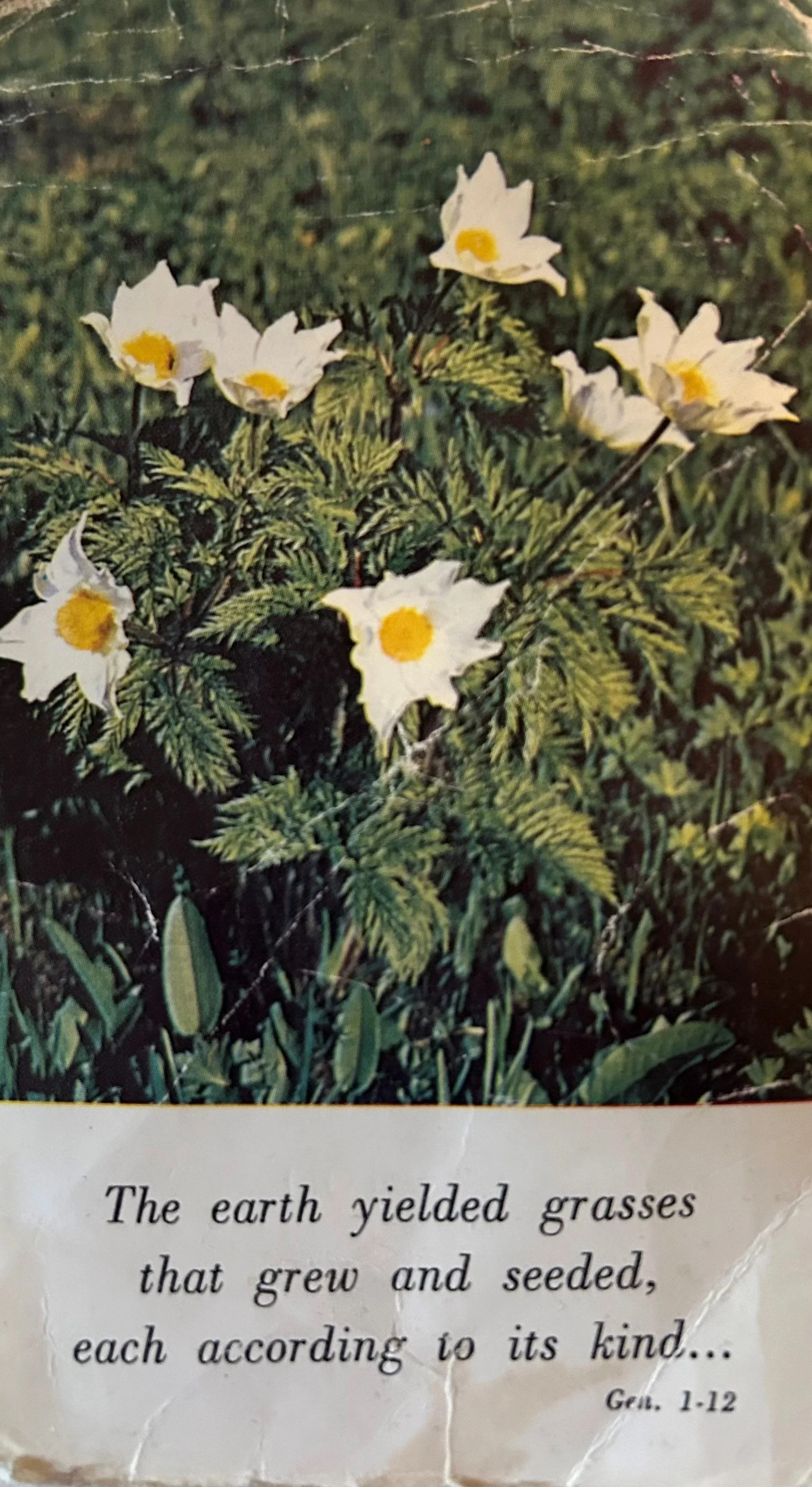
The actors and artists who come together during these workshops bring the diversity of their human experiences into the one place for the duration of the work and for an uninterrupted period of time. At a pace dictated by the room, (although I will also inform/change the pace if I feel it is needed for new energy and stimulus), each participant gives their attentive focus to the material we are exploring. And I give my attentive focus to them. The quote from the book of Genesis that comes most to mind here is “the earth yielded grasses that grew and seeded, each according to its kind.” My role stewarding a group of actors is in big part firstly to see them. Berry, talking about humans caring for the land says, “Economic landscapes, in short, require the most careful watching… people who don’t care, or know enough to care, or care enough to know, don’t watch.” He goes on to replace the term ‘care’ with the idea of practical and practicing love. How intimately related are the terms to love and to know.
There is so much more to excavate from Berry’s essay such as the pace needed to know the land- that of walking. “The gait most congenial to agrarian thought and sensibility is walking. It is the gait best suited to paying attention, most conservative of land and equipment, and most permissive of stopping to look or think.” Something about the pace of the work done together matters. And that is not to say that some work can’t go at a monumental pace once the actor is in the slip stream of the exercise! But in establishing the space for a workshop the boundaries given to that particular spread of time and with this particular group of people do best when they contain some ‘stopping to look or think’ time.
Also in Our Deserted Country is the subject of what is of value and how that is measured. This is a much bigger topic than I can begin to grapple with here. Berry writes about “the possibility of actual improvement in our economic life, which is to say our way of living from our land seems to lie…….in studying the economic value of such intangible goods as knowledge, memory, familiarity, imagination, affection, sympathy, neighbourliness and so on.”
Whilst Berry writes this in relation to those stewards of the land who know it and therefore love it, in great part because of rightness of scale, his writing brings me again to the theatre workshop- our field- as an example of tending to our soil so as to bring it nutrients. In the field of theatre, in particular thanks to this recent span of work and informed by Wendell Berry’s thinking, I see more vividly the substance of these ‘intangible’ goods, right there in the room for the duration of the work.
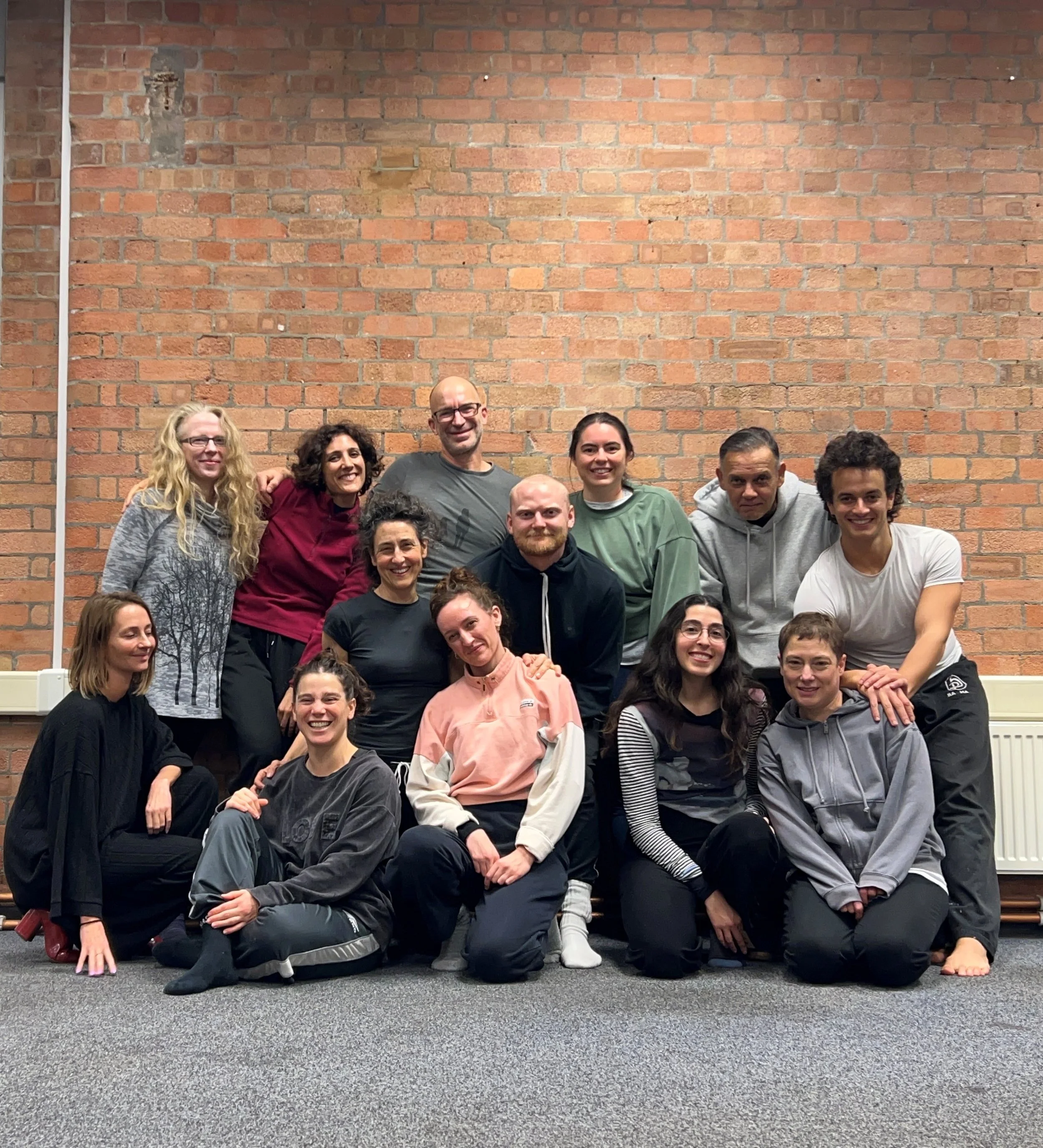
Thank you Jean- Francois Brion, Voice teacher at the Conservatoire Royal de Bruxelles, for bringing together a beautiful group of actors, (mostly new to me and me to them), as well as actor Anne Pajunen with whom I have worked a lot and one of the team who made Hawk. The combination of the new and the known proved exceptionally rich and I am grateful that Jean-Francois also took part. Thank you also to Dr. Natalie Diddams at Warwick University for finding the means to bring me to work with her intrepid third year Theatre and Performance studies students. Such a pleasure.
Wendell Berry’s Our Deserted Country: Ten essays. Published by Counterpoint. “Wendell Berry speaks as well as anyone of what is genuine, what is creative and what is ennobling.” The Washington Post